



How to balance high flexibility with structural stability to prevent deformation over long-term use in silicone bags?
Release Time : 2026-04-23
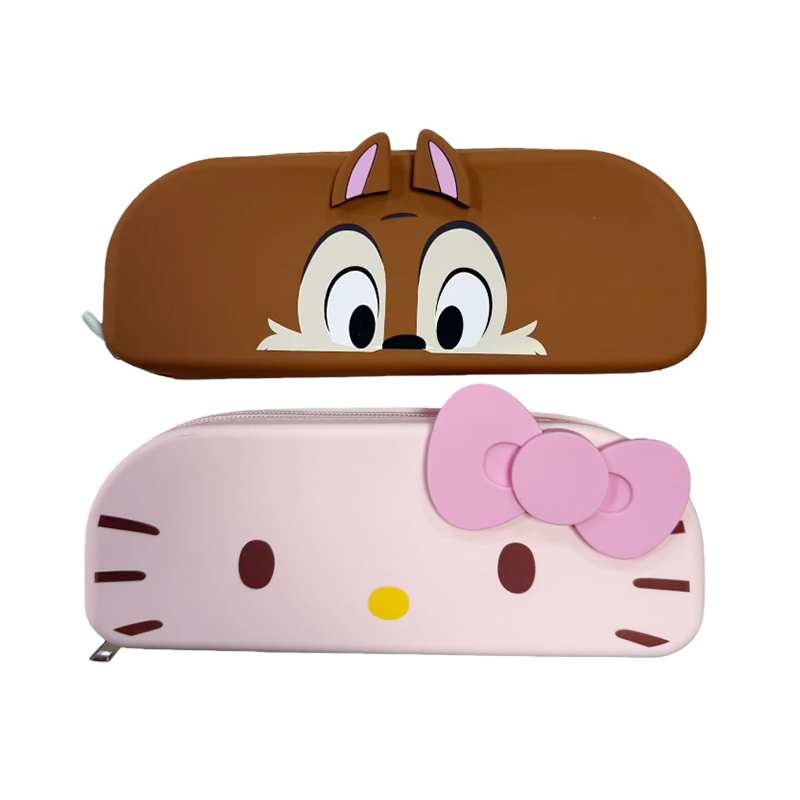
Silicone bags, a popular household product, are known for their high flexibility, shock resistance, and water resistance. However, excessive softness can lead to structural deformation over time. The design must strike a balance between flexibility and stability, achieving performance that is both easy to bend and resistant to collapse through synergistic optimization of materials and structure.
1. Optimizing Material Formulation for Performance Balance
The fundamental performance of silicone bags stems from the material itself. By adjusting the cross-linking density and filler ratio of the silicone, its resilience and creep resistance can be improved while maintaining flexibility. Appropriately increasing the elastic modulus of the material allows it to quickly return to its original shape after being subjected to stress, helping to prevent permanent deformation caused by long-term folding or compression. Furthermore, using high-quality silicone raw materials can improve overall aging resistance.
2. Introducing Local Reinforcement Structures to Enhance Support
In structural design, overall stability can be improved by adding reinforcing ribs in key areas, thickening the frame, or creating support areas. For example, a ring-shaped thickened structure at the bag opening or bottom can effectively prevent the opening from collapsing or the bottom from deforming. This "local reinforcement, overall flexibility" design approach allows the silicone bag to maintain a soft feel while providing necessary structural support.
3. Reasonable Control of Wall Thickness Distribution to Avoid Stress Concentration
A uniform and reasonable wall thickness distribution is crucial for preventing deformation. Areas that are too thin are prone to fatigue during repeated use, while areas that are too thick will affect flexibility. Through differentiated design, appropriately increasing the thickness in areas of high stress while keeping non-critical areas thin, a balance between strength and flexibility can be achieved. At the same time, a smooth transition in the structural design can reduce stress concentration and extend service life.
4. Optimizing Geometry to Enhance Deformation Resistance
The shape design of a silicone bag also affects its stability. Using curved transitions, three-dimensional structures, or bottom support surfaces can enhance overall resistance to collapse. For example, a slightly angled bottom or the addition of anti-slip texture not only improves placement stability but also helps maintain the bag's shape. Furthermore, avoiding large areas of flat, thin-walled structures can reduce the risk of deformation during long-term use.
5. Improved Sealing and Opening Structures for Stable Form
The sealing structure not only affects sealing performance but also plays a crucial role in overall stability. By designing rigid sealing edges or embedded sealing strips, the bag's shape can be maintained during opening and closing, preventing deformation due to frequent use. Simultaneously, a well-designed opening and closing resistance helps reduce structural fatigue caused by localized stretching.
6. Enhanced Durability for Long-Term Use
Silicone bags experience temperature changes, washing, and repeated folding during daily use. Optimizing material anti-aging properties and considering usage habits in the design, such as avoiding sharp corners and weak areas, can effectively delay performance degradation. Furthermore, enhanced tear resistance helps maintain the overall structural integrity under external forces.
Achieving structural stability in a silicone bag with high flexibility requires comprehensive consideration of material properties, structural reinforcement, geometric design, and durability. Refined design not only prevents deformation during long-term use but also improves overall product quality and user experience.
1. Optimizing Material Formulation for Performance Balance
The fundamental performance of silicone bags stems from the material itself. By adjusting the cross-linking density and filler ratio of the silicone, its resilience and creep resistance can be improved while maintaining flexibility. Appropriately increasing the elastic modulus of the material allows it to quickly return to its original shape after being subjected to stress, helping to prevent permanent deformation caused by long-term folding or compression. Furthermore, using high-quality silicone raw materials can improve overall aging resistance.
2. Introducing Local Reinforcement Structures to Enhance Support
In structural design, overall stability can be improved by adding reinforcing ribs in key areas, thickening the frame, or creating support areas. For example, a ring-shaped thickened structure at the bag opening or bottom can effectively prevent the opening from collapsing or the bottom from deforming. This "local reinforcement, overall flexibility" design approach allows the silicone bag to maintain a soft feel while providing necessary structural support.
3. Reasonable Control of Wall Thickness Distribution to Avoid Stress Concentration
A uniform and reasonable wall thickness distribution is crucial for preventing deformation. Areas that are too thin are prone to fatigue during repeated use, while areas that are too thick will affect flexibility. Through differentiated design, appropriately increasing the thickness in areas of high stress while keeping non-critical areas thin, a balance between strength and flexibility can be achieved. At the same time, a smooth transition in the structural design can reduce stress concentration and extend service life.
4. Optimizing Geometry to Enhance Deformation Resistance
The shape design of a silicone bag also affects its stability. Using curved transitions, three-dimensional structures, or bottom support surfaces can enhance overall resistance to collapse. For example, a slightly angled bottom or the addition of anti-slip texture not only improves placement stability but also helps maintain the bag's shape. Furthermore, avoiding large areas of flat, thin-walled structures can reduce the risk of deformation during long-term use.
5. Improved Sealing and Opening Structures for Stable Form
The sealing structure not only affects sealing performance but also plays a crucial role in overall stability. By designing rigid sealing edges or embedded sealing strips, the bag's shape can be maintained during opening and closing, preventing deformation due to frequent use. Simultaneously, a well-designed opening and closing resistance helps reduce structural fatigue caused by localized stretching.
6. Enhanced Durability for Long-Term Use
Silicone bags experience temperature changes, washing, and repeated folding during daily use. Optimizing material anti-aging properties and considering usage habits in the design, such as avoiding sharp corners and weak areas, can effectively delay performance degradation. Furthermore, enhanced tear resistance helps maintain the overall structural integrity under external forces.
Achieving structural stability in a silicone bag with high flexibility requires comprehensive consideration of material properties, structural reinforcement, geometric design, and durability. Refined design not only prevents deformation during long-term use but also improves overall product quality and user experience.