


How can silicone tableware improve its stability through structural optimization in terms of anti-slip design?
Release Time : 2026-04-16
In everyday dining scenarios, silicone tableware is widely used due to its softness, safety, and resistance to high and low temperatures, making it especially suitable for infants and the elderly. However, on smooth tabletops or in damp environments, the tableware is prone to slipping or tipping over, affecting the user experience and even posing safety hazards. Improving the anti-slip performance and stability of silicone tableware through structural optimization has become an important direction in product design.
1. Optimizing the Bottom Structure to Enhance Contact Stability
The bottom design of silicone tableware is key to its anti-slip performance. Increasing the bottom contact area, such as using a wide base or a ring-shaped support structure, can effectively improve contact stability with the tabletop. Simultaneously, designing a micro-concave structure or flexible edge on the bottom allows for a closer fit when placed, thereby increasing friction and reducing slippage.
2. Introducing Textured Design to Increase the Coefficient of Friction
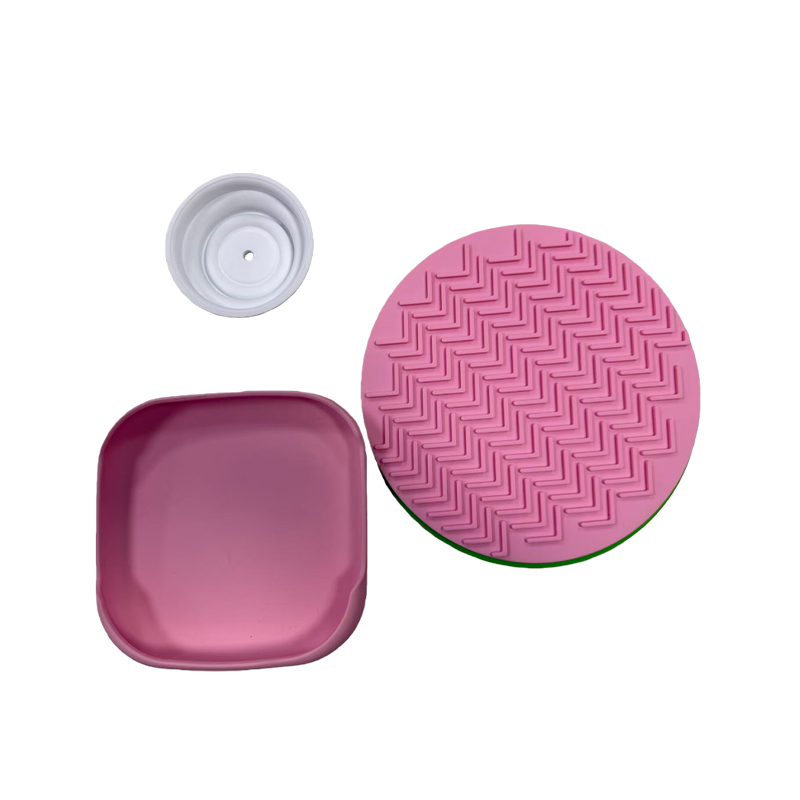
Adding subtle textures to the bottom or outer surface of the tableware is an effective way to improve anti-slip performance. For example, using a mesh, corrugated, or granular texture structure can create more micro-contact points on the contact surface, thereby increasing friction. This type of design not only improves the anti-slip effect but also maintains good stability in the presence of water or oil.
3. Reasonably Controlling Material Hardness for Flexible Adhesion
The hardness of silicone materials directly affects their anti-slip performance. Softer silicone can undergo micro-deformation under pressure, better adhering to the tabletop and thus improving adhesion. However, excessive softness may lead to insufficient support. Therefore, the material formulation should be optimized to give the bottom of the tableware moderate softness, achieving good anti-slip performance while ensuring structural support.
4. Using Adsorption Structures to Enhance Fixation
In some demanding scenarios, stability can be further improved by designing suction cup-type bottom structures. For example, setting one or more adsorption areas on the bottom of the tableware creates negative pressure adsorption on a smooth surface, effectively preventing slippage or tipping. This structure is particularly suitable for children's tableware, significantly reducing the risk of accidental tipping.
5. Optimize Center of Gravity Distribution to Enhance Overall Stability
The stability of tableware during use depends not only on the bottom but also on its overall center of gravity distribution. By designing the shape of the tableware to bring the center of gravity as close to the bottom as possible, the probability of tipping over can be reduced. For example, increasing the bottom thickness or designing a weighted structure in bowls or cups helps improve overall anti-tipping ability.
6. Differentiated Design Based on Usage Scenarios
Different usage environments have different requirements for anti-slip performance. For example, family dining tables prioritize versatility and comfort, while children's use scenarios emphasize safety and stability. Therefore, designs should be optimized based on actual usage needs, such as adding suction cup structures to children's tableware or reinforcing the bottom texture design of outdoor products, thereby achieving a better user experience.
In conclusion, silicone tableware can significantly improve anti-slip performance and stability through optimization of bottom structure, surface texture, material hardness, and overall design. Through systematic design and scenario-based application, it not only improves the user experience but also further enhances the product's safety and practical value.
1. Optimizing the Bottom Structure to Enhance Contact Stability
The bottom design of silicone tableware is key to its anti-slip performance. Increasing the bottom contact area, such as using a wide base or a ring-shaped support structure, can effectively improve contact stability with the tabletop. Simultaneously, designing a micro-concave structure or flexible edge on the bottom allows for a closer fit when placed, thereby increasing friction and reducing slippage.
2. Introducing Textured Design to Increase the Coefficient of Friction
Adding subtle textures to the bottom or outer surface of the tableware is an effective way to improve anti-slip performance. For example, using a mesh, corrugated, or granular texture structure can create more micro-contact points on the contact surface, thereby increasing friction. This type of design not only improves the anti-slip effect but also maintains good stability in the presence of water or oil.
3. Reasonably Controlling Material Hardness for Flexible Adhesion
The hardness of silicone materials directly affects their anti-slip performance. Softer silicone can undergo micro-deformation under pressure, better adhering to the tabletop and thus improving adhesion. However, excessive softness may lead to insufficient support. Therefore, the material formulation should be optimized to give the bottom of the tableware moderate softness, achieving good anti-slip performance while ensuring structural support.
4. Using Adsorption Structures to Enhance Fixation
In some demanding scenarios, stability can be further improved by designing suction cup-type bottom structures. For example, setting one or more adsorption areas on the bottom of the tableware creates negative pressure adsorption on a smooth surface, effectively preventing slippage or tipping. This structure is particularly suitable for children's tableware, significantly reducing the risk of accidental tipping.
5. Optimize Center of Gravity Distribution to Enhance Overall Stability
The stability of tableware during use depends not only on the bottom but also on its overall center of gravity distribution. By designing the shape of the tableware to bring the center of gravity as close to the bottom as possible, the probability of tipping over can be reduced. For example, increasing the bottom thickness or designing a weighted structure in bowls or cups helps improve overall anti-tipping ability.
6. Differentiated Design Based on Usage Scenarios
Different usage environments have different requirements for anti-slip performance. For example, family dining tables prioritize versatility and comfort, while children's use scenarios emphasize safety and stability. Therefore, designs should be optimized based on actual usage needs, such as adding suction cup structures to children's tableware or reinforcing the bottom texture design of outdoor products, thereby achieving a better user experience.
In conclusion, silicone tableware can significantly improve anti-slip performance and stability through optimization of bottom structure, surface texture, material hardness, and overall design. Through systematic design and scenario-based application, it not only improves the user experience but also further enhances the product's safety and practical value.