

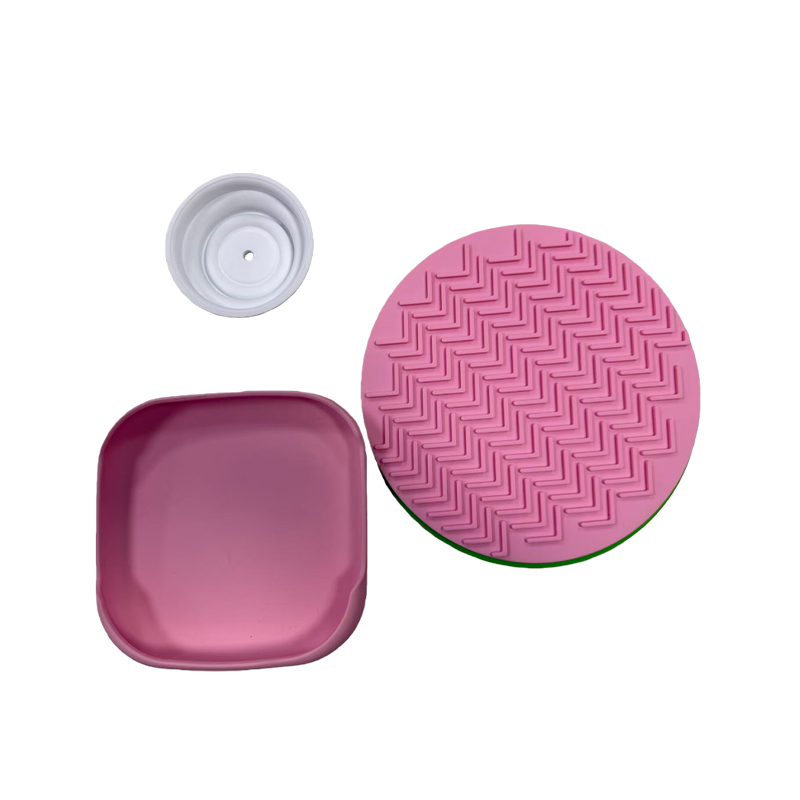




Is silicone tableware environmentally friendly?
Release Time : 2026-06-19
The environmental impact of household products has become a critical focal point for modern consumers and manufacturers alike. In this context, silicone tableware has emerged as a highly viable and eco-friendly alternative to traditional materials. The environmental friendliness of silicone household products stems from several key factors, ranging from its fundamental chemical composition to its lifecycle management and end-of-life disposal.
At the molecular level, silicone is an inorganic polymer based on a silicon-oxygen backbone, which fundamentally distinguishes it from traditional petroleum-based plastics. The primary raw material is silicon, a naturally occurring element abundantly found in sand, stone, and crystals. Because it is derived from natural minerals rather than finite fossil fuels, the extraction and processing of silicone generally have a lower environmental footprint. Furthermore, high-quality silicone tableware is chemically stable, non-toxic, and odorless. During its manufacturing process and throughout its lifespan, it does not leach harmful chemicals or microplastics into the environment or food, ensuring safety for both human health and ecological systems.
Durability and reusability are perhaps the most significant contributors to the environmental profile of silicone tableware. Unlike single-use plastics that contribute massively to global landfill waste, silicone products are designed for longevity. They possess exceptional resistance to extreme temperatures, ranging from severe cold to high heat, as well as resistance to tearing and chemical degradation. This resilience allows silicone plates, bowls, and utensils to be used repeatedly for years without losing their structural integrity or releasing harmful substances. By replacing disposable plastic items and short-lived alternatives, silicone tableware significantly reduces the volume of consumer waste generated in daily life.
The end-of-life management of silicone further solidifies its eco-friendly status. While silicone is not biodegradable in the traditional sense, it is highly recyclable. Specialized recycling facilities can process discarded silicone products through specialized procedures to separate and recover the organic silicon components. These recovered materials can then be repurposed for industrial applications, creating a closed-loop system that minimizes waste. Additionally, if silicone products must be disposed of through incineration, they burn cleanly without releasing toxic gases or harmful residues into the atmosphere, unlike traditional plastics which emit hazardous pollutants when burned.
The production of silicone tableware also aligns with sustainable manufacturing practices. Reputable manufacturers utilize food-grade, pure silicone that is free from artificial fillers, ensuring that the production process remains clean and does not generate toxic byproducts. The resulting products are highly efficient in their use phase; they are non-stick and easy to clean, often requiring less water and detergent during washing. Many silicone tableware items are also dishwasher safe, streamlining household maintenance while maintaining strict hygiene standards.
Ultimately, the transition toward sustainable living requires materials that balance practical utility with ecological responsibility. Silicone tableware successfully meets this demand by offering a safe, durable, and recyclable solution for everyday dining. Its ability to withstand rigorous daily use without degrading, combined with its non-toxic nature and viable recycling pathways, makes it a superior choice for environmentally conscious consumers. By choosing silicone household products, individuals actively participate in reducing plastic pollution and supporting a more sustainable, green lifestyle for future generations.
At the molecular level, silicone is an inorganic polymer based on a silicon-oxygen backbone, which fundamentally distinguishes it from traditional petroleum-based plastics. The primary raw material is silicon, a naturally occurring element abundantly found in sand, stone, and crystals. Because it is derived from natural minerals rather than finite fossil fuels, the extraction and processing of silicone generally have a lower environmental footprint. Furthermore, high-quality silicone tableware is chemically stable, non-toxic, and odorless. During its manufacturing process and throughout its lifespan, it does not leach harmful chemicals or microplastics into the environment or food, ensuring safety for both human health and ecological systems.
Durability and reusability are perhaps the most significant contributors to the environmental profile of silicone tableware. Unlike single-use plastics that contribute massively to global landfill waste, silicone products are designed for longevity. They possess exceptional resistance to extreme temperatures, ranging from severe cold to high heat, as well as resistance to tearing and chemical degradation. This resilience allows silicone plates, bowls, and utensils to be used repeatedly for years without losing their structural integrity or releasing harmful substances. By replacing disposable plastic items and short-lived alternatives, silicone tableware significantly reduces the volume of consumer waste generated in daily life.
The end-of-life management of silicone further solidifies its eco-friendly status. While silicone is not biodegradable in the traditional sense, it is highly recyclable. Specialized recycling facilities can process discarded silicone products through specialized procedures to separate and recover the organic silicon components. These recovered materials can then be repurposed for industrial applications, creating a closed-loop system that minimizes waste. Additionally, if silicone products must be disposed of through incineration, they burn cleanly without releasing toxic gases or harmful residues into the atmosphere, unlike traditional plastics which emit hazardous pollutants when burned.
The production of silicone tableware also aligns with sustainable manufacturing practices. Reputable manufacturers utilize food-grade, pure silicone that is free from artificial fillers, ensuring that the production process remains clean and does not generate toxic byproducts. The resulting products are highly efficient in their use phase; they are non-stick and easy to clean, often requiring less water and detergent during washing. Many silicone tableware items are also dishwasher safe, streamlining household maintenance while maintaining strict hygiene standards.
Ultimately, the transition toward sustainable living requires materials that balance practical utility with ecological responsibility. Silicone tableware successfully meets this demand by offering a safe, durable, and recyclable solution for everyday dining. Its ability to withstand rigorous daily use without degrading, combined with its non-toxic nature and viable recycling pathways, makes it a superior choice for environmentally conscious consumers. By choosing silicone household products, individuals actively participate in reducing plastic pollution and supporting a more sustainable, green lifestyle for future generations.