



How can silicone pads reduce vibration transmission and improve overall stability in precision equipment protection applications?
Release Time : 2026-05-27
With the continuous development of modern electronic devices, precision instruments, and automated equipment, operational stability has a significant impact on product performance and lifespan. Silicone pads, especially in precision equipment, are often affected by mechanical vibration, external impacts, and tabletop slippage during operation.
1. Enhancing Shock Absorption with Silicone's Flexibility
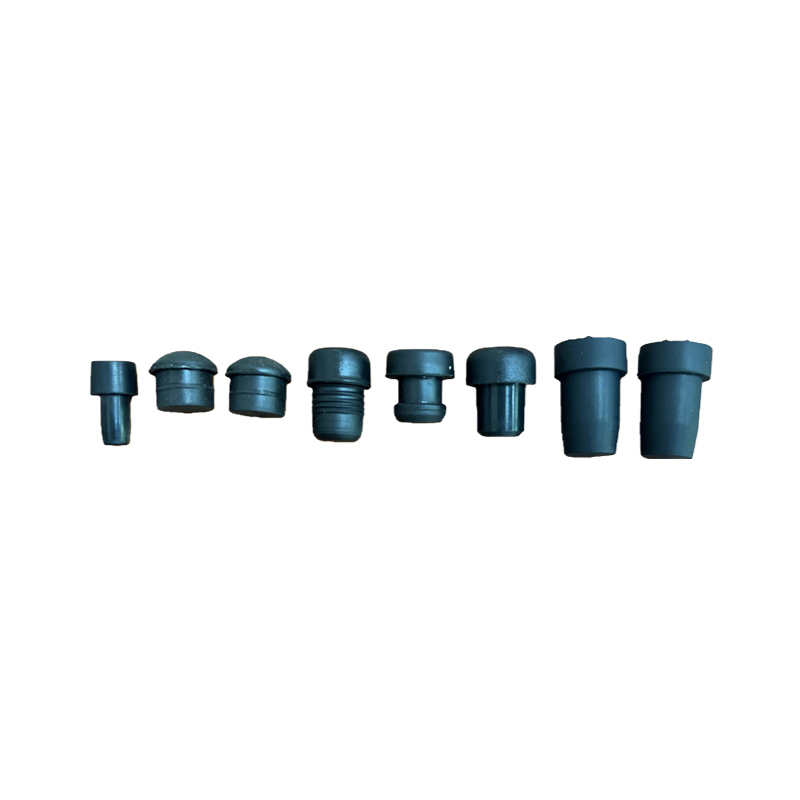
Silicone material itself has good flexibility and elasticity, effectively absorbing vibration energy when subjected to external impacts, thus reducing the transmission of vibration to the equipment's interior. Compared to ordinary plastics or hard rubber materials, food-grade silicone is more stable during compression and rebound, and less prone to losing its cushioning properties under long-term stress. Therefore, adding a silicone pad to the bottom of precision equipment can effectively reduce high-frequency vibrations generated during operation and reduce hard contact between the equipment and the tabletop. For example, in electronic instruments, printing equipment, and small automated devices, silicone pads can act as buffers and vibration dampers, thereby improving the smoothness of equipment operation.
2. Improving Equipment Stability with Optimized Anti-slip Texture
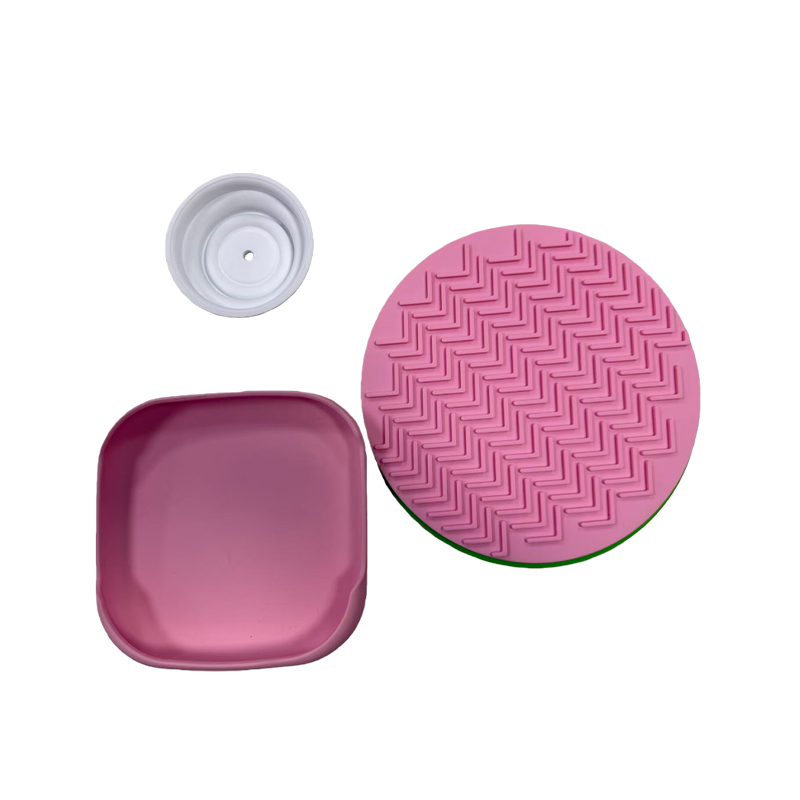
In addition to shock absorption, anti-slip performance also affects the stability of precision equipment. If the friction on the bottom of a device is insufficient, it is prone to displacement under vibration or external force, affecting normal operation. Therefore, silicone pads typically employ a special anti-slip texture design to enhance friction with the contact surface. For example, adding corrugated, mesh, or granular textures can improve the adhesion between the silicone pad and the desktop, reducing device slippage. Simultaneously, a well-designed texture layout ensures more even force distribution, preventing excessive localized pressure that could cause device tilting, thus further improving overall stability.
3. Strengthening Material Structure for Enhanced Long-Term Durability
Precision equipment often requires continuous operation for extended periods, making the durability of the silicone pad crucial. If the material deforms or ages under prolonged pressure, its shock absorption and anti-slip effects will decrease. Therefore, during silicone pad production, optimizing the material formulation is necessary to improve long-term stability. For example, using high-density silicone materials and a reinforced structural design can improve compression resistance, reducing collapse and deformation during long-term use. Furthermore, adding anti-aging additives can enhance the silicone pad's stability in high-temperature, humid, or frequently vibrating environments, extending its overall lifespan.
4. Enhanced Vibration Isolation Through Multi-Layer Structures
For high-precision equipment, the cushioning performance of a single material is sometimes insufficient to meet the demands of complex operating conditions. Therefore, multi-layer composite structure designs are increasingly becoming an important way to improve vibration isolation. For example, adding layers of different hardness inside a silicone pad allows it to simultaneously provide soft cushioning and support stability. The softer surface layer absorbs minor vibrations, while the harder bottom layer distributes the weight of the equipment, improving overall load-bearing capacity. Furthermore, some high-end silicone pads employ honeycomb or air-cushioned structures to further enhance shock absorption, ensuring greater stability during operation.
5. Enhanced Overall Performance to Meet Diverse Application Needs
As the application scenarios for precision equipment continue to expand, silicone pads not only need vibration damping but also need to meet the demands of different environments. For example, in electronic equipment applications, insulation and anti-static properties are required; while in medical or food processing equipment, environmental protection and safety are paramount. Therefore, modern silicone pads are increasingly evolving towards multi-functionality. Through customized design and special processing, not only is vibration damping stability improved, but also high-temperature resistance, waterproofing, dustproofing, and chemical corrosion resistance are enhanced, thus adapting to more complex operating environments.
As the smart device and precision manufacturing industries continue to upgrade, the importance of silicone pads in equipment protection is becoming increasingly prominent. By utilizing the flexibility of silicone, optimizing anti-slip textures, strengthening material structure, and employing multi-layer vibration isolation design, vibration transmission can be effectively reduced, and the overall operational stability of equipment can be significantly improved, providing a more reliable protection and support solution for modern precision equipment.
1. Enhancing Shock Absorption with Silicone's Flexibility
Silicone material itself has good flexibility and elasticity, effectively absorbing vibration energy when subjected to external impacts, thus reducing the transmission of vibration to the equipment's interior. Compared to ordinary plastics or hard rubber materials, food-grade silicone is more stable during compression and rebound, and less prone to losing its cushioning properties under long-term stress. Therefore, adding a silicone pad to the bottom of precision equipment can effectively reduce high-frequency vibrations generated during operation and reduce hard contact between the equipment and the tabletop. For example, in electronic instruments, printing equipment, and small automated devices, silicone pads can act as buffers and vibration dampers, thereby improving the smoothness of equipment operation.
2. Improving Equipment Stability with Optimized Anti-slip Texture
In addition to shock absorption, anti-slip performance also affects the stability of precision equipment. If the friction on the bottom of a device is insufficient, it is prone to displacement under vibration or external force, affecting normal operation. Therefore, silicone pads typically employ a special anti-slip texture design to enhance friction with the contact surface. For example, adding corrugated, mesh, or granular textures can improve the adhesion between the silicone pad and the desktop, reducing device slippage. Simultaneously, a well-designed texture layout ensures more even force distribution, preventing excessive localized pressure that could cause device tilting, thus further improving overall stability.
3. Strengthening Material Structure for Enhanced Long-Term Durability
Precision equipment often requires continuous operation for extended periods, making the durability of the silicone pad crucial. If the material deforms or ages under prolonged pressure, its shock absorption and anti-slip effects will decrease. Therefore, during silicone pad production, optimizing the material formulation is necessary to improve long-term stability. For example, using high-density silicone materials and a reinforced structural design can improve compression resistance, reducing collapse and deformation during long-term use. Furthermore, adding anti-aging additives can enhance the silicone pad's stability in high-temperature, humid, or frequently vibrating environments, extending its overall lifespan.
4. Enhanced Vibration Isolation Through Multi-Layer Structures
For high-precision equipment, the cushioning performance of a single material is sometimes insufficient to meet the demands of complex operating conditions. Therefore, multi-layer composite structure designs are increasingly becoming an important way to improve vibration isolation. For example, adding layers of different hardness inside a silicone pad allows it to simultaneously provide soft cushioning and support stability. The softer surface layer absorbs minor vibrations, while the harder bottom layer distributes the weight of the equipment, improving overall load-bearing capacity. Furthermore, some high-end silicone pads employ honeycomb or air-cushioned structures to further enhance shock absorption, ensuring greater stability during operation.
5. Enhanced Overall Performance to Meet Diverse Application Needs
As the application scenarios for precision equipment continue to expand, silicone pads not only need vibration damping but also need to meet the demands of different environments. For example, in electronic equipment applications, insulation and anti-static properties are required; while in medical or food processing equipment, environmental protection and safety are paramount. Therefore, modern silicone pads are increasingly evolving towards multi-functionality. Through customized design and special processing, not only is vibration damping stability improved, but also high-temperature resistance, waterproofing, dustproofing, and chemical corrosion resistance are enhanced, thus adapting to more complex operating environments.
As the smart device and precision manufacturing industries continue to upgrade, the importance of silicone pads in equipment protection is becoming increasingly prominent. By utilizing the flexibility of silicone, optimizing anti-slip textures, strengthening material structure, and employing multi-layer vibration isolation design, vibration transmission can be effectively reduced, and the overall operational stability of equipment can be significantly improved, providing a more reliable protection and support solution for modern precision equipment.