



How do silicone bags maintain their sealing performance without weakening or cracking?
Release Time : 2026-02-27
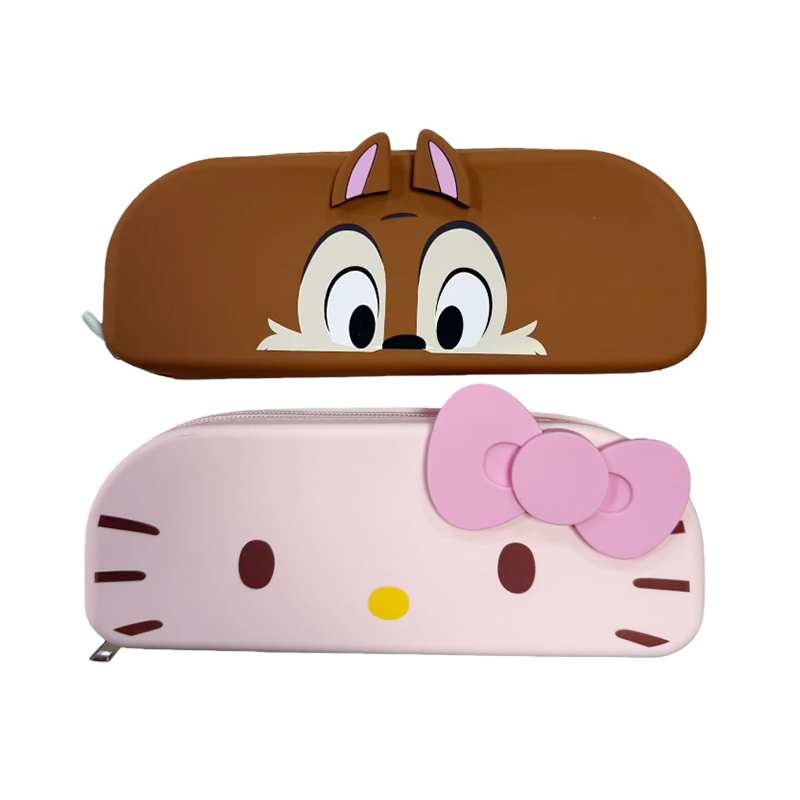
In modern life and industrial applications, the durability and safety of packaging bags are paramount. From food preservation in the kitchen to sterile storage of medical equipment, and protective gear for outdoor adventures, silicone bags, with their superior properties such as high flexibility, shock resistance, abrasion resistance, water resistance, and dust resistance, are gradually replacing traditional plastic containers.
1. Molecular Foundation: The Superior Toughness of an Inorganic-Organic Hybrid
The reason silicone bags can withstand repeated breakage is primarily due to the unique chemical structure of their core material—food-grade liquid silicone. Unlike traditional petroleum-based plastics, the main chain of silicone is composed of alternating silicon and oxygen atoms, while the side chains are connected to organic groups. This inorganic-organic hybrid structure gives silicone extremely high bond energy, resulting in remarkable thermal stability and chemical inertness. At the microscopic level, the bond length of silicon-oxygen bonds is much greater than that of carbon-carbon bonds, and the bond angles have a great degree of rotational freedom. This means that when a silicone bag is stretched or folded by external forces, its molecular chains can freely stretch and contract like a spring, absorbing enormous deformation energy without breaking. This "superelasticity" over a wide temperature range is the fundamental reason why silicone bags can be used repeatedly over long periods without developing fatigue cracks.
2. Structural Design: The Art of One-Piece Molding and Stress Dispersion
Besides the inherent advantages of the material itself, manufacturing processes and structural design are also crucial to ensuring consistent sealing. High-quality silicone bags typically employ liquid injection molding, achieving a seamless, integrated connection between the bag body and the sealing strip. This process eliminates the weaknesses of seams commonly found in traditional adhesive or heat-sealing processes, preventing leaks caused by delamination. For the sealing design, engineers utilize ingenious "interlocking" or "press-type" structures. These sealing strips are precisely calculated, utilizing the high resilience of silicone to generate uniform and sustained contact pressure when closed. Even after thousands of openings and closings, the excellent resistance to compressive permanent deformation of the silicone material ensures that the sealing strip quickly returns to its original shape, preventing gaps caused by plastic deformation.
3. Surface Properties: Self-Healing and Anti-Aging Barrier
Silicone bags inevitably encounter scratches and oil stains during long-term use, but their unique surface properties provide additional protection. Silicone has natural hydrophobic and oleophobic properties, making it difficult for stains to penetrate the material. A simple rinse is all it takes to make it look brand new, preventing material degradation caused by chemical corrosion or dirt buildup. Even more impressively, the silicone surface possesses a certain degree of "self-healing" microscopic properties. Minor scratches, under the thermal motion of the molecular chains, often gradually blur or even disappear over time, preventing them from developing into deep cracks. This superior anti-aging performance ensures that the physical and sealing properties of the silicone bag remain in their initial state throughout its long lifespan, truly achieving "lasting beauty."
In summary, the reason why silicone bags can maintain their seal without weakening or cracking under countless rigorous tests is due to their strong molecular framework composed of silicon-oxygen bonds, their precise one-piece molding design, and their excellent anti-aging surface properties. It perfectly combines high flexibility and high strength, not only solving the problems of traditional packaging being easily damaged and aged, but also becoming a reliable and durable companion in modern life with its all-around performance of being waterproof, dustproof, and drop-proof.
1. Molecular Foundation: The Superior Toughness of an Inorganic-Organic Hybrid
The reason silicone bags can withstand repeated breakage is primarily due to the unique chemical structure of their core material—food-grade liquid silicone. Unlike traditional petroleum-based plastics, the main chain of silicone is composed of alternating silicon and oxygen atoms, while the side chains are connected to organic groups. This inorganic-organic hybrid structure gives silicone extremely high bond energy, resulting in remarkable thermal stability and chemical inertness. At the microscopic level, the bond length of silicon-oxygen bonds is much greater than that of carbon-carbon bonds, and the bond angles have a great degree of rotational freedom. This means that when a silicone bag is stretched or folded by external forces, its molecular chains can freely stretch and contract like a spring, absorbing enormous deformation energy without breaking. This "superelasticity" over a wide temperature range is the fundamental reason why silicone bags can be used repeatedly over long periods without developing fatigue cracks.
2. Structural Design: The Art of One-Piece Molding and Stress Dispersion
Besides the inherent advantages of the material itself, manufacturing processes and structural design are also crucial to ensuring consistent sealing. High-quality silicone bags typically employ liquid injection molding, achieving a seamless, integrated connection between the bag body and the sealing strip. This process eliminates the weaknesses of seams commonly found in traditional adhesive or heat-sealing processes, preventing leaks caused by delamination. For the sealing design, engineers utilize ingenious "interlocking" or "press-type" structures. These sealing strips are precisely calculated, utilizing the high resilience of silicone to generate uniform and sustained contact pressure when closed. Even after thousands of openings and closings, the excellent resistance to compressive permanent deformation of the silicone material ensures that the sealing strip quickly returns to its original shape, preventing gaps caused by plastic deformation.
3. Surface Properties: Self-Healing and Anti-Aging Barrier
Silicone bags inevitably encounter scratches and oil stains during long-term use, but their unique surface properties provide additional protection. Silicone has natural hydrophobic and oleophobic properties, making it difficult for stains to penetrate the material. A simple rinse is all it takes to make it look brand new, preventing material degradation caused by chemical corrosion or dirt buildup. Even more impressively, the silicone surface possesses a certain degree of "self-healing" microscopic properties. Minor scratches, under the thermal motion of the molecular chains, often gradually blur or even disappear over time, preventing them from developing into deep cracks. This superior anti-aging performance ensures that the physical and sealing properties of the silicone bag remain in their initial state throughout its long lifespan, truly achieving "lasting beauty."
In summary, the reason why silicone bags can maintain their seal without weakening or cracking under countless rigorous tests is due to their strong molecular framework composed of silicon-oxygen bonds, their precise one-piece molding design, and their excellent anti-aging surface properties. It perfectly combines high flexibility and high strength, not only solving the problems of traditional packaging being easily damaged and aged, but also becoming a reliable and durable companion in modern life with its all-around performance of being waterproof, dustproof, and drop-proof.