



How do silicone pads adapt to ever-changing usage scenarios?
Release Time : 2025-12-29
In modern life and industrial applications, silicone pads, seemingly ordinary, have quietly permeated every corner, from kitchen tables to precision laboratories, thanks to their superior material properties and high customizability. Whether preventing tableware from slipping, securing electronic devices, or serving as industrial seals or medical auxiliary components, silicone pads always meet the needs perfectly. This wide adaptability is not accidental, but stems from a deep integration of its material properties, structural design, and manufacturing flexibility.
1. Food-grade safe materials: Bridging life and health scenarios
Silicone pads are mostly made of food-grade silicone that meets international standards. They are non-toxic, odorless, BPA-free, and have a wide temperature resistance range, allowing direct contact with food without releasing harmful substances. This characteristic makes them ideal for kitchen scenarios—used as pot holders, coasters, non-slip cutting board mats, and even baking mold linings. Even under high-temperature steaming or freezing conditions, silicone pads remain stable, without deformation or odor release, providing invisible protection for family health.
2. Anti-slip Texture Design: Enhancing Functionality and User Experience
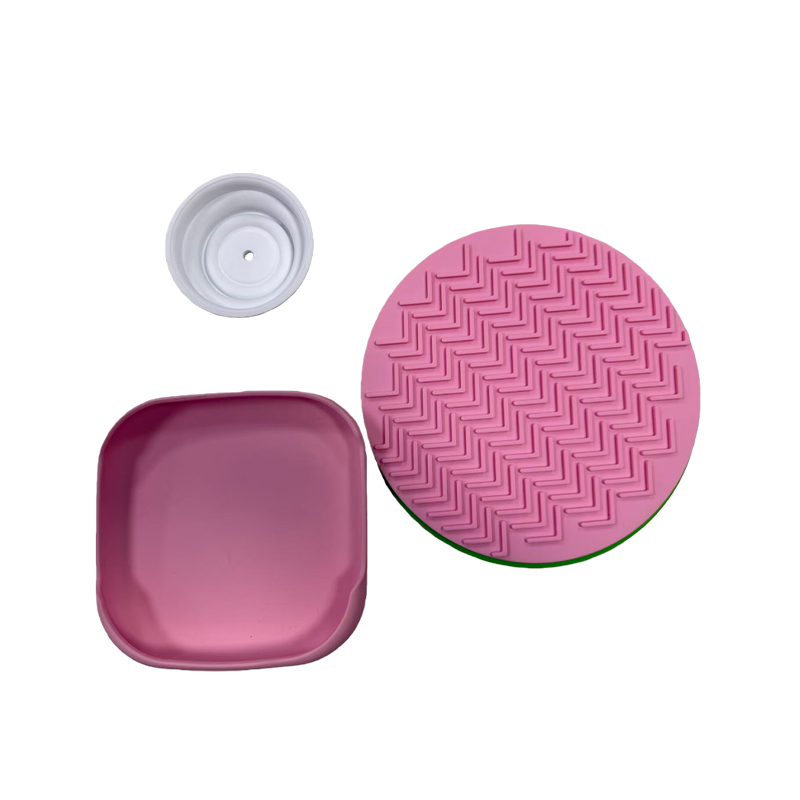
To improve practicality, silicone pads often feature embossed honeycomb, wave, dot matrix, or biomimetic textures. These microstructures not only increase the coefficient of friction with the contact surface but also create a localized vacuum adsorption effect, significantly improving anti-slip performance. For example, in restaurants, textured silicone placemats can firmly hold dishes in place, preventing elderly people or children from spilling them while eating; on desks, phones, tablets, or laptops placed on silicone bases are less likely to slip even with slight table movement. This "silent stability" is the key to silicone pads' popularity.
3. Highly Customizable: Matching Diverse Scenarios to Your Needs
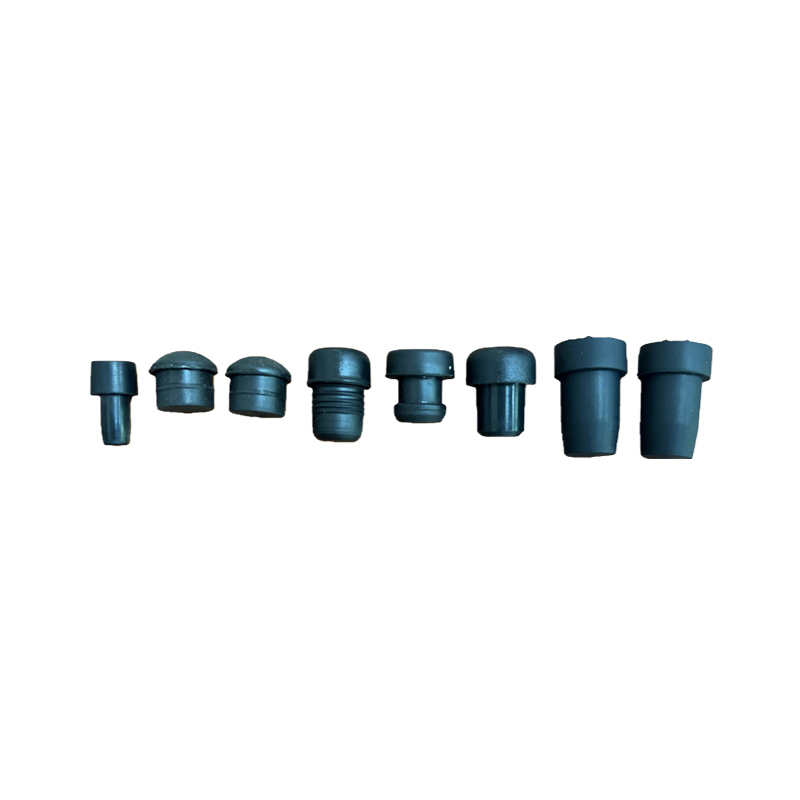
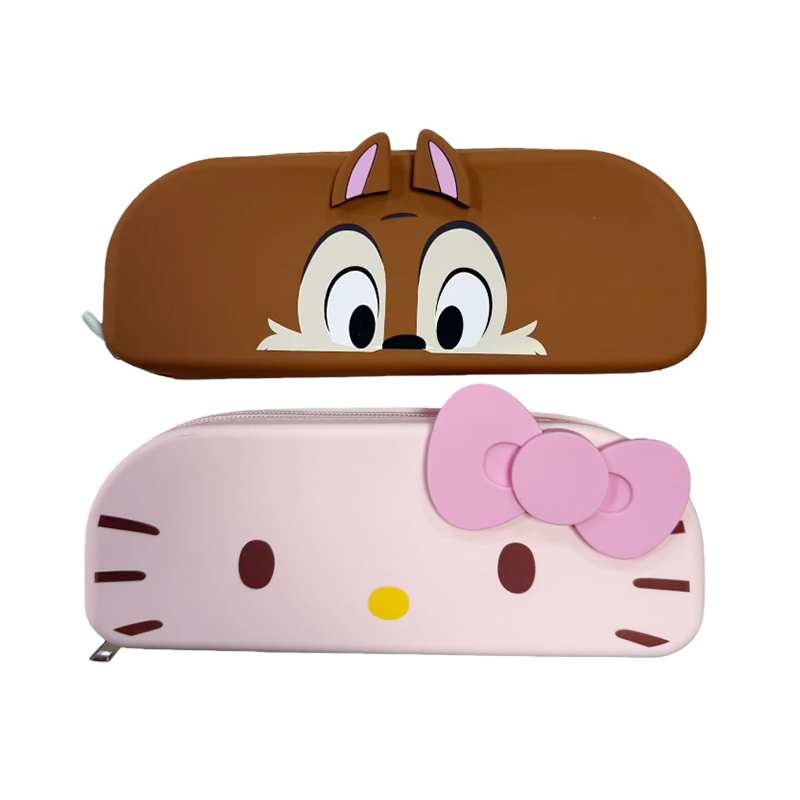
Another major advantage of silicone pads is their high degree of customizability. Through molding processes, size, thickness, color, hardness, and even shape can be flexibly adjusted—round, square, and irregularly shaped cuts are all possible. In the electronics industry, manufacturers can customize silicone pads with grooves or positioning holes for securing circuit boards or sensor modules; in the medical device field, ergonomic silicone support pads can be developed for rehabilitation assistance; and in industrial automation, they are used as shock-absorbing cushioning pads or sealing gaskets. This "one-product-one-solution" customization capability allows silicone pads to be precisely embedded in various product systems.
4. Durable and Stable: The Secret to Long-Term Deformation
High-quality silicone possesses excellent anti-aging, UV resistance, and ozone resistance properties. Even when exposed to moisture, oil, or light for extended periods, it is not prone to hardening, cracking, or loss of elasticity. Compared to rubber or PVC pads, silicone pads can recover their original shape after repeated washing, bending, or pressure, significantly extending their lifespan. For example, in aquaculture farms, silicone pads are used for anti-slip purposes on instrument bases, maintaining their functionality despite saltwater corrosion and frequent movement; in laboratories, they serve as shock-absorbing pads for centrifuges or microscopes, remaining flat and new even after years of use.
5. Cross-Industry Integration: Seamless Connection from Home Furnishings to High Technology
The application of silicone pads has long surpassed traditional understanding. In smart wearable devices, it's used as a watch strap lining to enhance wearing comfort; in new energy vehicle battery modules, it serves as an insulating and heat-resistant pad; in the education sector, soft silicone pads are widely used in children's sensory integration training equipment to ensure safety. This cross-industry adaptation from "everyday use" to "high-tech" highlights the universal value of silicone materials.
The core reason silicone pads can adapt to ever-changing usage scenarios lies in their inherent material properties of "safety, flexibility, malleability, and durability," coupled with precise engineering design and manufacturing responsiveness. It doesn't overshadow other functions, but quietly plays its role in every moment requiring "stability, quietness, security, and cleanliness."
1. Food-grade safe materials: Bridging life and health scenarios
Silicone pads are mostly made of food-grade silicone that meets international standards. They are non-toxic, odorless, BPA-free, and have a wide temperature resistance range, allowing direct contact with food without releasing harmful substances. This characteristic makes them ideal for kitchen scenarios—used as pot holders, coasters, non-slip cutting board mats, and even baking mold linings. Even under high-temperature steaming or freezing conditions, silicone pads remain stable, without deformation or odor release, providing invisible protection for family health.
2. Anti-slip Texture Design: Enhancing Functionality and User Experience
To improve practicality, silicone pads often feature embossed honeycomb, wave, dot matrix, or biomimetic textures. These microstructures not only increase the coefficient of friction with the contact surface but also create a localized vacuum adsorption effect, significantly improving anti-slip performance. For example, in restaurants, textured silicone placemats can firmly hold dishes in place, preventing elderly people or children from spilling them while eating; on desks, phones, tablets, or laptops placed on silicone bases are less likely to slip even with slight table movement. This "silent stability" is the key to silicone pads' popularity.
3. Highly Customizable: Matching Diverse Scenarios to Your Needs
Another major advantage of silicone pads is their high degree of customizability. Through molding processes, size, thickness, color, hardness, and even shape can be flexibly adjusted—round, square, and irregularly shaped cuts are all possible. In the electronics industry, manufacturers can customize silicone pads with grooves or positioning holes for securing circuit boards or sensor modules; in the medical device field, ergonomic silicone support pads can be developed for rehabilitation assistance; and in industrial automation, they are used as shock-absorbing cushioning pads or sealing gaskets. This "one-product-one-solution" customization capability allows silicone pads to be precisely embedded in various product systems.
4. Durable and Stable: The Secret to Long-Term Deformation
High-quality silicone possesses excellent anti-aging, UV resistance, and ozone resistance properties. Even when exposed to moisture, oil, or light for extended periods, it is not prone to hardening, cracking, or loss of elasticity. Compared to rubber or PVC pads, silicone pads can recover their original shape after repeated washing, bending, or pressure, significantly extending their lifespan. For example, in aquaculture farms, silicone pads are used for anti-slip purposes on instrument bases, maintaining their functionality despite saltwater corrosion and frequent movement; in laboratories, they serve as shock-absorbing pads for centrifuges or microscopes, remaining flat and new even after years of use.
5. Cross-Industry Integration: Seamless Connection from Home Furnishings to High Technology
The application of silicone pads has long surpassed traditional understanding. In smart wearable devices, it's used as a watch strap lining to enhance wearing comfort; in new energy vehicle battery modules, it serves as an insulating and heat-resistant pad; in the education sector, soft silicone pads are widely used in children's sensory integration training equipment to ensure safety. This cross-industry adaptation from "everyday use" to "high-tech" highlights the universal value of silicone materials.
The core reason silicone pads can adapt to ever-changing usage scenarios lies in their inherent material properties of "safety, flexibility, malleability, and durability," coupled with precise engineering design and manufacturing responsiveness. It doesn't overshadow other functions, but quietly plays its role in every moment requiring "stability, quietness, security, and cleanliness."